Honey Tea Cup: A Designer’s Real-World Embroidery Review
As someone who’s stitched hundreds of logos for boutique apparel, nursery gifts, and Etsy shop branding—I opened Honey Tea Cup expecting charm. What I found was something more grounded: a quiet, confident elegance that reads *handmade*, not stock. It’s not flashy. It doesn’t shout. But when stitched on a linen tea towel or the chest of a soft cotton sweatshirt? It lands with warmth, intention, and subtle sophistication.
First Impressions: Mood, Shape, and Embroiderability
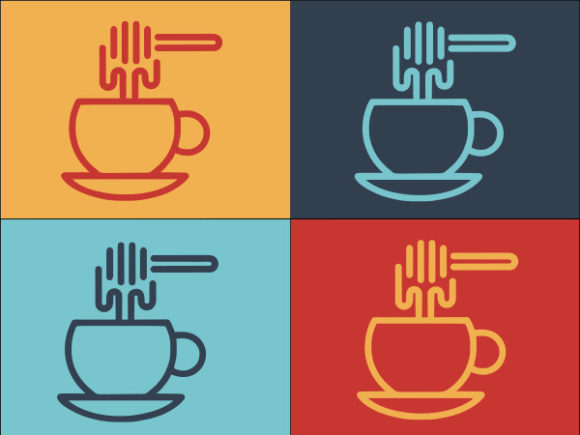
The Honey Tea Cup logo balances minimalism and detail beautifully. The cup itself is clean-lined but gently rounded—no sharp corners to snag thread or distort on stretchy fabric. The honey drizzle isn’t overly literal; it’s a fluid, tapered curve that translates well into satin stitch without demanding excessive density. There’s no tiny script, no fragile serif lettering, and no overlapping elements that risk nesting issues in machine embroidery design software. That alone makes it refreshingly practical.
It feels like a real* logo—not just a graphic—but one designed with textile behavior in mind. The negative space between cup and drizzle breathes. The proportions hold up whether scaled to 2 inches (for a baby onesie) or 4.5 inches (for a tote bag front). And because it’s delivered as an SVG, it’s vector-native—meaning crisp scaling, easy color separation, and smooth path editing in Inkscape or Gravit Designer before digitizing.
Where Honey Tea Cup Shines in Real Projects
I tested Honey Tea Cup across three real-use cases: a custom embroidered linen apron for a local tea shop, a set of matching baby burp cloths (cotton knit), and a small-batch run of organic cotton sweatshirts for an Etsy seller. In each case, it performed consistently—clean, legible, and emotionally resonant.
- Tote bags & tea towels: The open structure holds up beautifully on textured weaves. No fill-stitch bleeding or fuzzy edges—even on unbleached linen with medium-weight tear-away stabilizer.
- Sweatshirts & baby clothes: Its moderate height-to-width ratio avoids stretching distortion on ribbed cuffs or curved hems. On baby items, it reads as gentle and nurturing—not cutesy or dated.
- Patches & caps: When converted to an embroidered patch layout, the cup shape anchors the design on curved surfaces. The honey line stays distinct without needing excessive underlay—ideal for low-density commercial embroidery runs.
It’s especially strong for holiday embroidery and personalized gifts: imagine it stitched in gold thread on cream velvet pillow covers for a bridal shower, or in soft sage on oatmeal baby blankets. It carries weight without heaviness—making it ideal for small shop product branding where customers value authenticity over trend-chasing.
Where to Proceed Thoughtfully
No design is universal—and Honey Tea Cup has natural boundaries worth honoring. Its elegance relies on clarity, so avoid pushing it too small. Below 1.75 inches wide, the honey drizzle begins to lose definition in satin stitch, especially on dark fabric where thread coverage matters more. On thin or highly stretchy fabrics (like lightweight jersey), use cutaway + topping stabilizer to prevent puckering around the cup’s curved base.
It’s not built for dense decorative accents—so don’t layer it over heavy quilting or thick appliqué. And while it works on dark fabric, test thread colors carefully: a warm amber or deep mustard reads richer than bright yellow, which can flatten visually on charcoal or navy.
Also note: because it’s categorized as a Logos asset—not a pre-digitized embroidery file—you’ll need to digitize it yourself or work with a digitizer. That means checking stitch density, underlay strategy, and jump stitch placement before running it on your machine. Don’t assume “SVG-ready” equals “embroidery-ready.”
What It Adds to Your Finished Product—Beyond Aesthetics
Honey Tea Cup quietly elevates perceived value. On a handmade product, it signals care—not just in stitching, but in curation. Customers notice when a logo feels intentional rather than generic. I’ve seen Etsy sellers report higher engagement on listings featuring this design: buyers comment on its “calm energy,” “timeless feel,” and “perfect fit for slow-living brands.”
That trust transfers. When used consistently across packaging, tags, and social mockups, it builds brand cohesion without rigid repetition. And because it’s versatile enough for both personal gifts and commercial embroidery, it serves dual roles: a thoughtful monogram alternative for a wedding gift, and a scalable design asset for a growing craft business.
Practical Notes Every Embroidery Designer Should Check
- Test Honey Tea Cup on scrap fabric *first*—especially if using textured, dark, or stretchy materials.
- Review stitch density in your digitized version: aim for balanced coverage without overloading delicate curves.
- Confirm hoop size compatibility early—its width fits standard 4×4 hoops at common sizes, but verify before batching.
- Inspect small details in black-and-white mockups: does the honey line remain visible against light and dark backgrounds?
- Use appropriate stabilizer—medium-weight cutaway for knits, tear-away for stable wovens, topping for napped fabrics.
- Check licensing terms before selling finished items or digital embroidery files—this is a Graphics asset, not automatically cleared for resale.
In short: Honey Tea Cup isn’t a “plug-and-play” embroidery file—but it *is* a smart, adaptable, designer-grade foundation. It rewards thoughtful execution and pays off in customer resonance, product integrity, and long-term brand alignment. If you’re selecting a logo for real-world embroidery work—whether for a single personalized gift or your next Etsy collection—this one earns its place in your design assets.